January 15, 2026·4 min read
Caring for Plauen lace
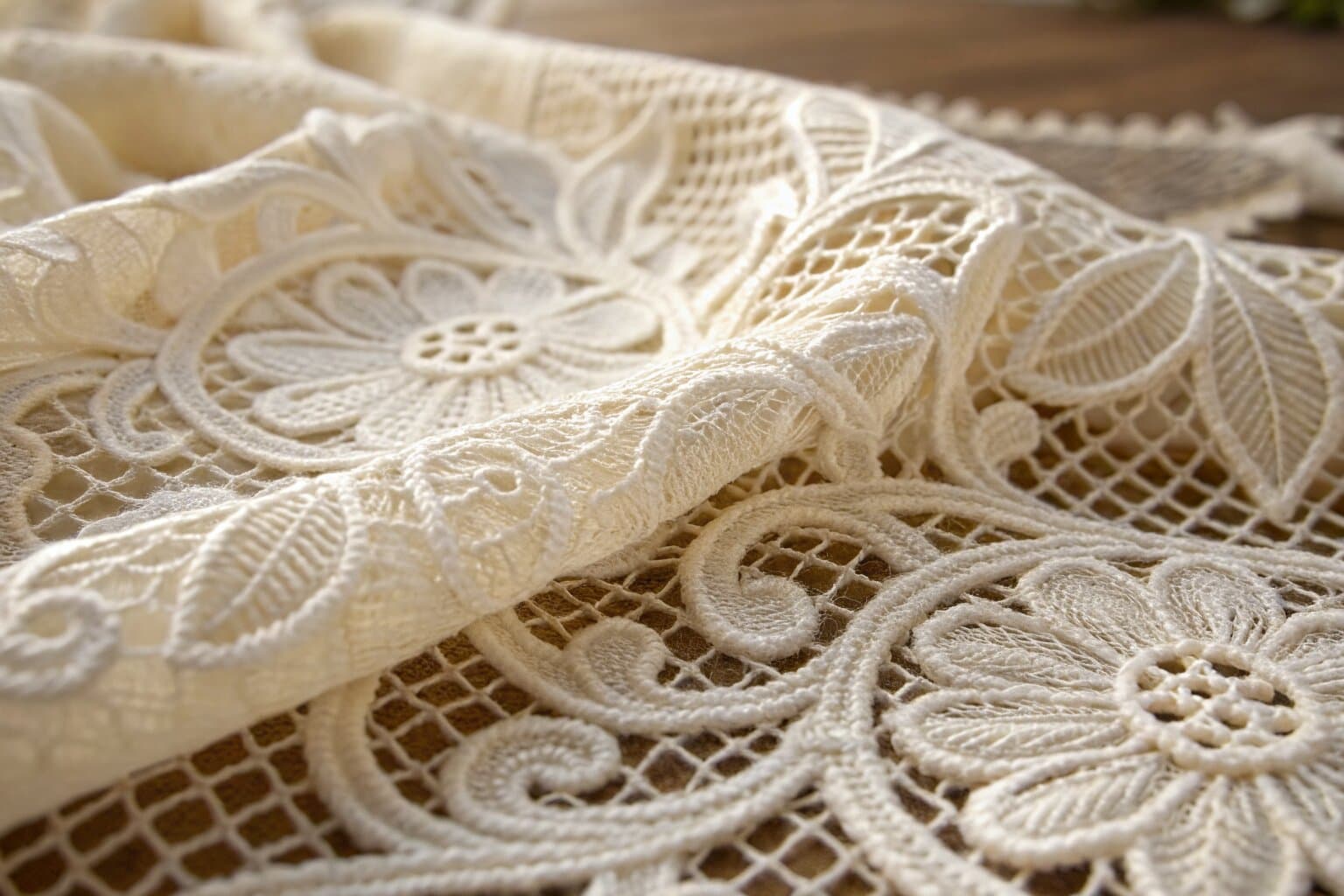
A well-made piece of Plauen lace, properly cared for, can be handed down through multiple generations. The embroidery threads used in Plauener Spitze are selected for their durability as well as their beauty, and the chemical dissolving process that creates the lace results in a structure that is more resilient than it might appear.
That said, lace is not indestructible. Like any fine textile, it benefits from thoughtful handling and appropriate storage. The following guidance reflects the practices recommended by the workshops that produce the lace.
Cleaning
For most Plauen lace pieces, gentle hand washing is the preferred method of cleaning. Fill a basin with lukewarm water and add a small amount of mild detergent — a wool wash or delicate fabric wash is suitable. Avoid bleach, optical brighteners, and any product containing enzymes, as these can weaken the threads over time.
Submerge the lace gently, allowing the water to penetrate the embroidery without agitation. Let it soak for fifteen to twenty minutes, then lift it carefully from the basin. Do not wring or twist the lace. Rinse in clean lukewarm water until the detergent is removed.
Lay the lace flat on a clean, dry towel and roll the towel loosely to absorb excess water. Then unroll and reshape the piece on a fresh dry towel, smoothing it gently into its original form. Allow it to dry flat, away from direct sunlight or heat sources.
Starching
Many Plauen lace pieces, particularly window pictures and decorative frames, are starched during production to give them body and shape. Over time, washing will remove some of this starch. If a piece begins to lose its crispness, a light re-starching can restore it.
Use a spray starch or dissolve a small amount of traditional laundry starch in water. Apply evenly to the damp lace, then shape the piece and allow it to dry flat. For three-dimensional pieces such as bells or lantern frames, you may need to shape the lace over a form while it dries.

Storage
When not on display, Plauen lace should be stored flat if possible. Folding can create creases that are difficult to remove and may stress the threads at the fold line. If flat storage is not practical, roll the lace loosely around a cardboard tube wrapped in acid-free tissue paper.
Store lace in a cool, dry place away from direct light. Avoid plastic bags or airtight containers, as these can trap moisture and promote mildew. A cotton or muslin bag, or a box lined with acid-free tissue, provides adequate protection while allowing air circulation.
If storing multiple pieces together, place a layer of acid-free tissue between them to prevent threads from catching on one another.
Handling
When handling fine lace, clean hands are important. Natural oils from skin can attract dust and, over time, cause discoloration. If you handle lace frequently — when changing window pictures with the season, for instance — wash your hands first or use clean cotton gloves.
Avoid pulling or stretching the lace. When hanging a window picture, support the piece from below as you attach it to the window. When removing it, detach the hanging point first, then lift the piece with both hands.
Each piece is made to outlast the hands that made it. A little care ensures that it will.