March 15, 2026·6 min read
The origins of Plauener Spitze
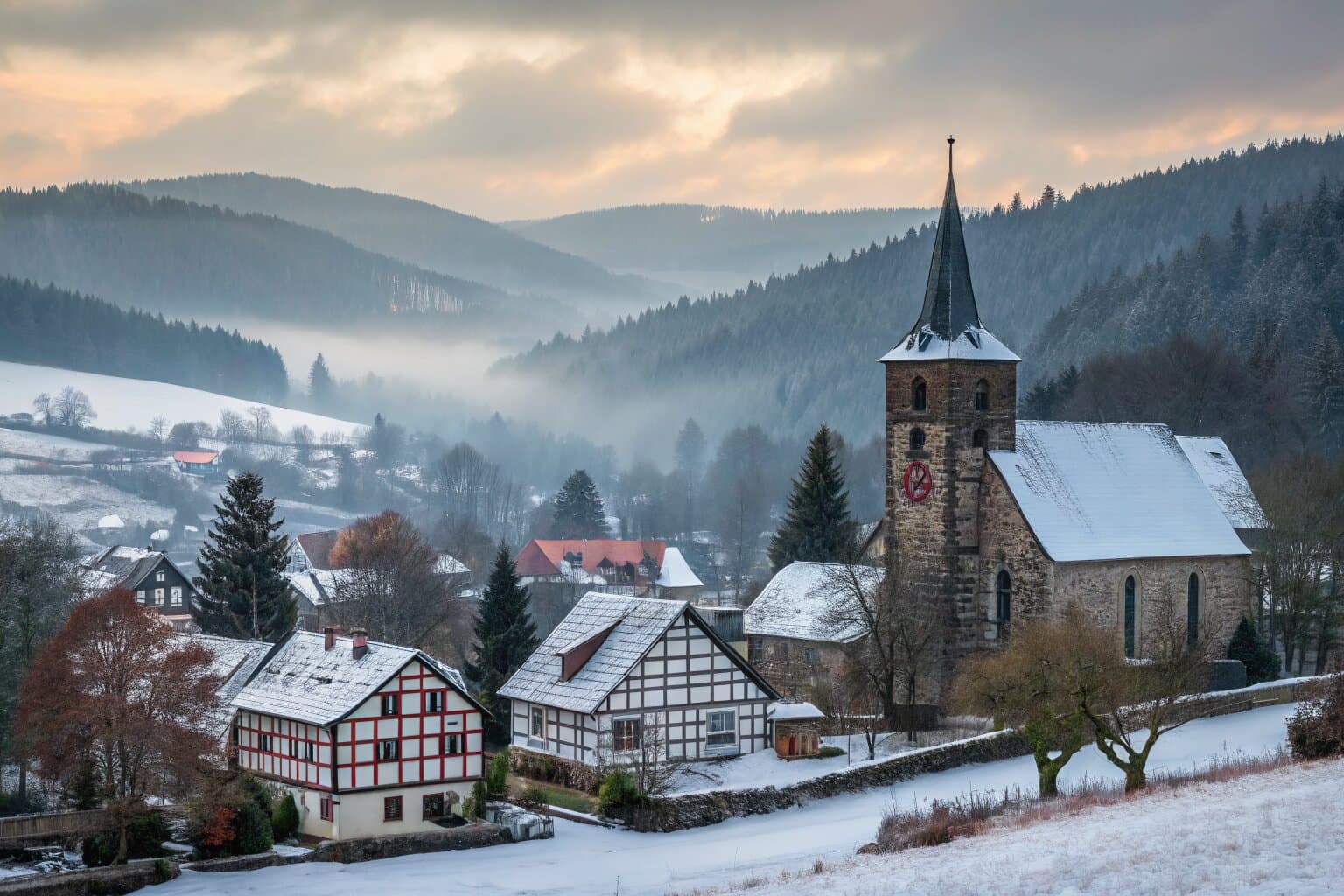
The story of Plauen lace begins not in a grand atelier but in the modest workshops of the Vogtland, a hilly region straddling the borders of Saxony, Thuringia, Bavaria, and Bohemia. In the mid-nineteenth century, when the mechanization of textile production was reshaping industries across Europe, the artisans of Plauen found a way to harness new technology without abandoning the handwork that had defined their craft for generations.
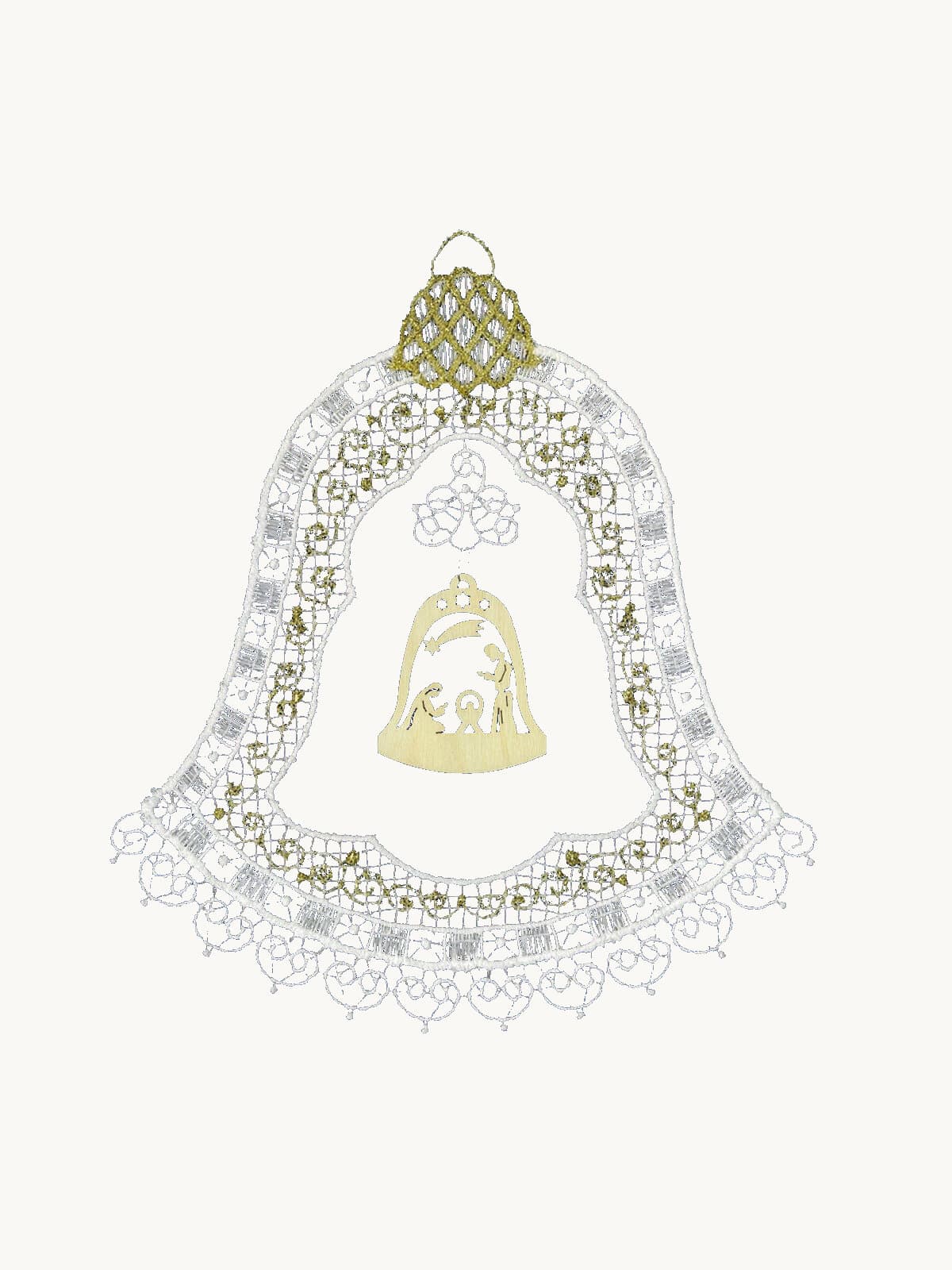
The city of Plauen had long been associated with textiles. Cotton weaving and muslin production were established trades by the early 1800s. But it was the introduction of the Schiffchen embroidery machine in the 1850s that set the region on its distinctive path. Unlike bobbin lace or needle lace, which are constructed entirely by hand, Plauener Spitze is created through a process of machine embroidery on a dissolvable base fabric. The background is then removed chemically, leaving only the embroidered threads — the lace itself.
A golden age of lace
By the 1880s, Plauen had become the center of a thriving lace industry. Hundreds of workshops operated in and around the city, producing embroidered fabrics that were exported to every corner of Europe. The quality of Plauener Spitze was recognized at international exhibitions, and the region’s output rivaled the lace-making centers of Belgium and France.
What distinguished Plauen from its competitors was not simply the quality of its thread or the precision of its machines, but the depth of handwork that followed. Each piece required careful finishing: trimming excess fabric, shaping the lace, starching it to hold its form, and inspecting every thread for imperfections. This labor-intensive finishing process gave Plauener Spitze its characteristic crispness and dimensionality.
Through war and division
The twentieth century brought extraordinary disruption to Plauen’s lace industry. Two world wars devastated the region’s workshops and scattered its skilled workers. After 1945, Plauen found itself in the Soviet occupation zone, and the lace workshops were nationalized under the East German state.
Yet the craft did not disappear. State-run enterprises continued to produce Plauener Spitze, and the skills were passed from master to apprentice within the structured training systems of the German Democratic Republic. Some families maintained private knowledge of patterns and techniques, preserving designs that had been in use for decades.
The machines changed. The government changed. But the hands that finished the lace were the same hands, trained in the same way, for five generations.
Reunification and renewal
After German reunification in 1990, the lace industry in Plauen faced new challenges. Competition from low-cost imports, changing consumer tastes, and the loss of guaranteed state markets forced many workshops to close. The number of active lace producers in the Vogtland declined sharply through the 1990s.
Those that survived did so by recommitting to quality. Workshops like Stickerei Vogel chose to produce smaller quantities of exceptional work rather than compete on price. Their lace found appreciative audiences among collectors, interior designers, and those who recognized the difference between machine-made commodity and handcrafted art.
Today, Plauener Spitze carries a protected geographical indication within Germany. The handful of workshops that continue to produce authentic Plauen lace in the Vogtland are custodians of a tradition that stretches back more than a century and a half — a tradition measured not in output but in the patience of each thread placed by hand.